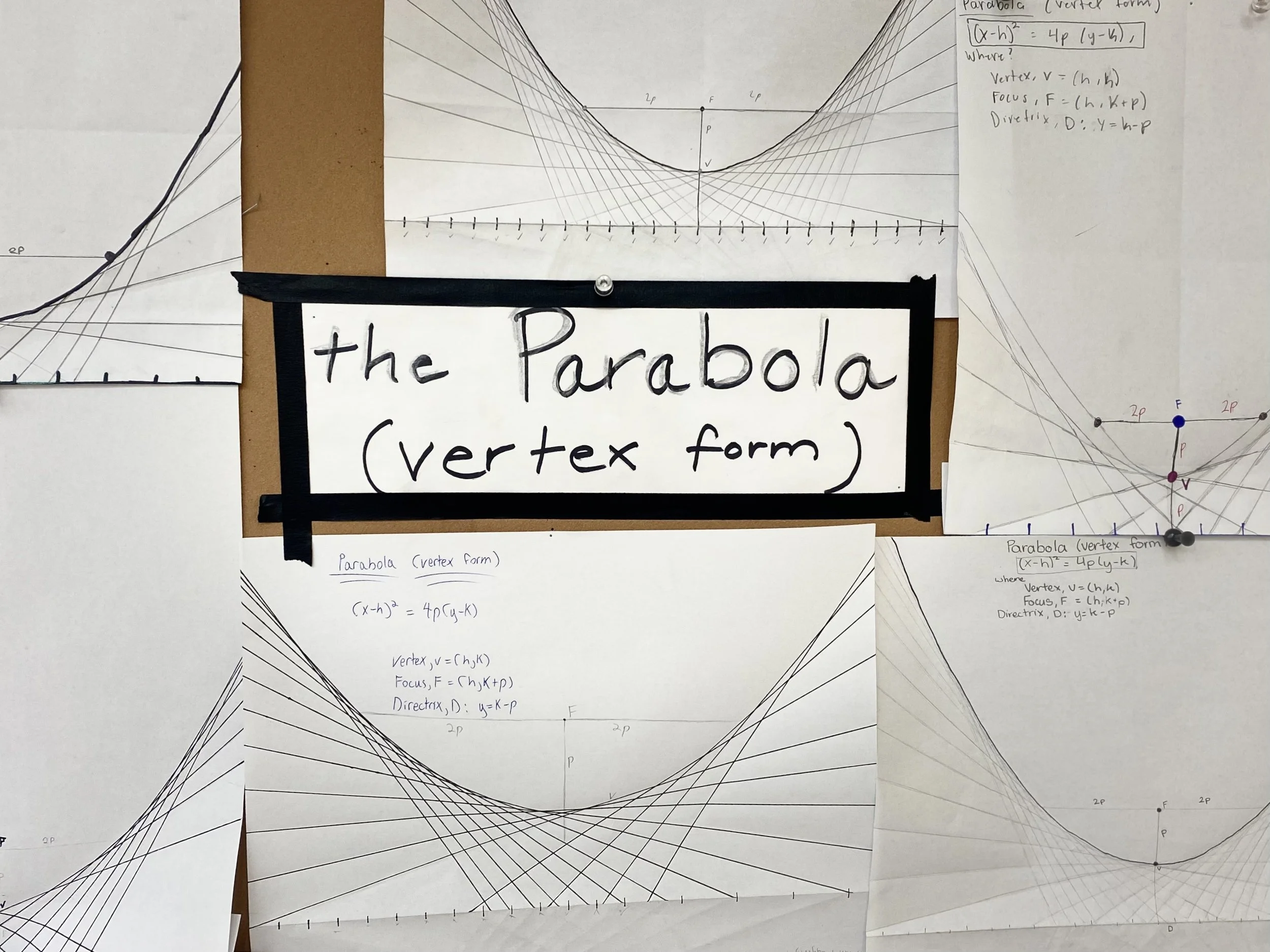
an introduction to making math real
What is making math real?
1
Making Math Real® is a multi-sensory, structured methodology — not a curriculum. It is designed to equip educators with a precise, adaptable framework to meet the needs of all learners, from students with learning differences to those who are highly advanced.
The approach breaks down foundational math concepts into concrete, accessible elements. Through the use of manipulatives, visual storytelling, and informal language, students are able to build meaningful mental models — giving them something their brain can truly understand and retain.
As students progress, Making Math Real® also supports the transition into algebraic thinking. Instruction is carefully sequenced and incrementally structured, ensuring that each new concept builds logically on the last, creating a strong and lasting foundation for higher-level math.
the core idea
2
Math is for everyone — yet it is often taught as though it’s only accessible to a select few.
Too often, math becomes a set of procedures to follow — “just do this” — without true understanding.
But math isn’t about memorizing steps.
It’s about knowing what you’re doing, understanding why it works, and building a foundation that actually makes sense.
How the Brain Learns Math
3
Math learning involves two key strands: Concept–Procedure Integration and Sensory–Cognitive Development.
Concept–Procedure Integration is what we typically think of as comprehension. In this strand, students succeed because they understand what they’re doing — not because they’ve memorized a set of steps.
Sensory–Cognitive Development refers to the underlying “brain tools” that support learning. These are the skills that help students initiate, activate, and sustain working memory — making it possible to process, retain, and apply new information.
When a student has strong development in both strands, they build what we call numeracy — the ability to work with math both accurately and flexibly.
Numeracy includes:
Exact math — arriving at the correct solution
Mental flexibility — estimating, reasoning, and adapting
When these strands work together, students don’t just complete math — they understand it.
4
Building Strong Numeracy
is mmr right for your child?
Most math struggles come down to missing foundations — not ability. When key concepts aren’t fully understood, everything that follows becomes harder, leading to frustration and lost confidence.
The MMR® approach focuses on rebuilding those gaps using a structured, science-based method — not repetition or quick fixes, but a clear system designed for real understanding.
When math is taught in a way the brain can process efficiently, everything changes.
Book a free 20-minute call to see if this approach is the right fit for your child.

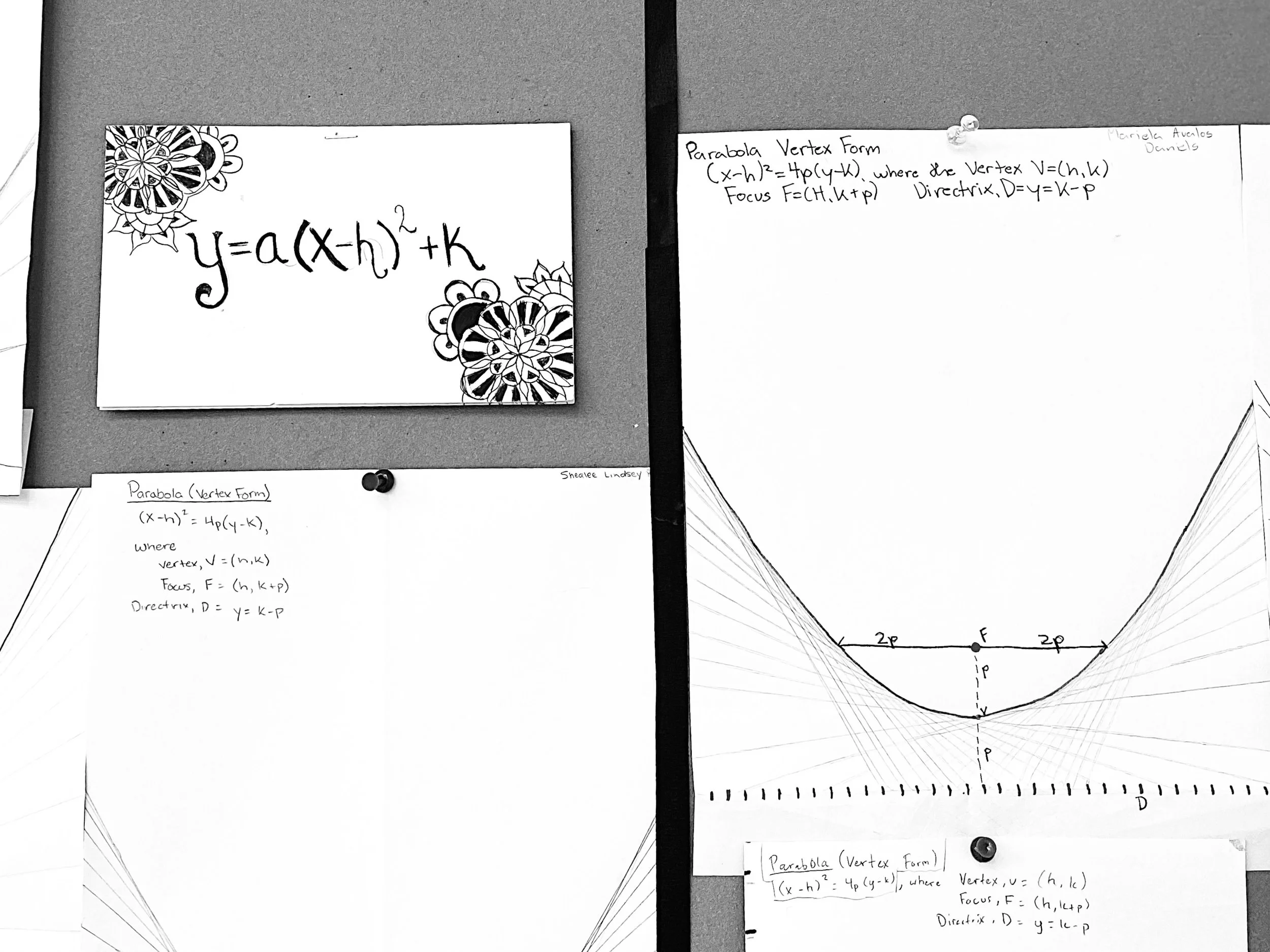
“Math should never hurt.”
— David Berg, E.T.